Pet Grooming at Home: A Complete Guide for Healthy and Happy Pets
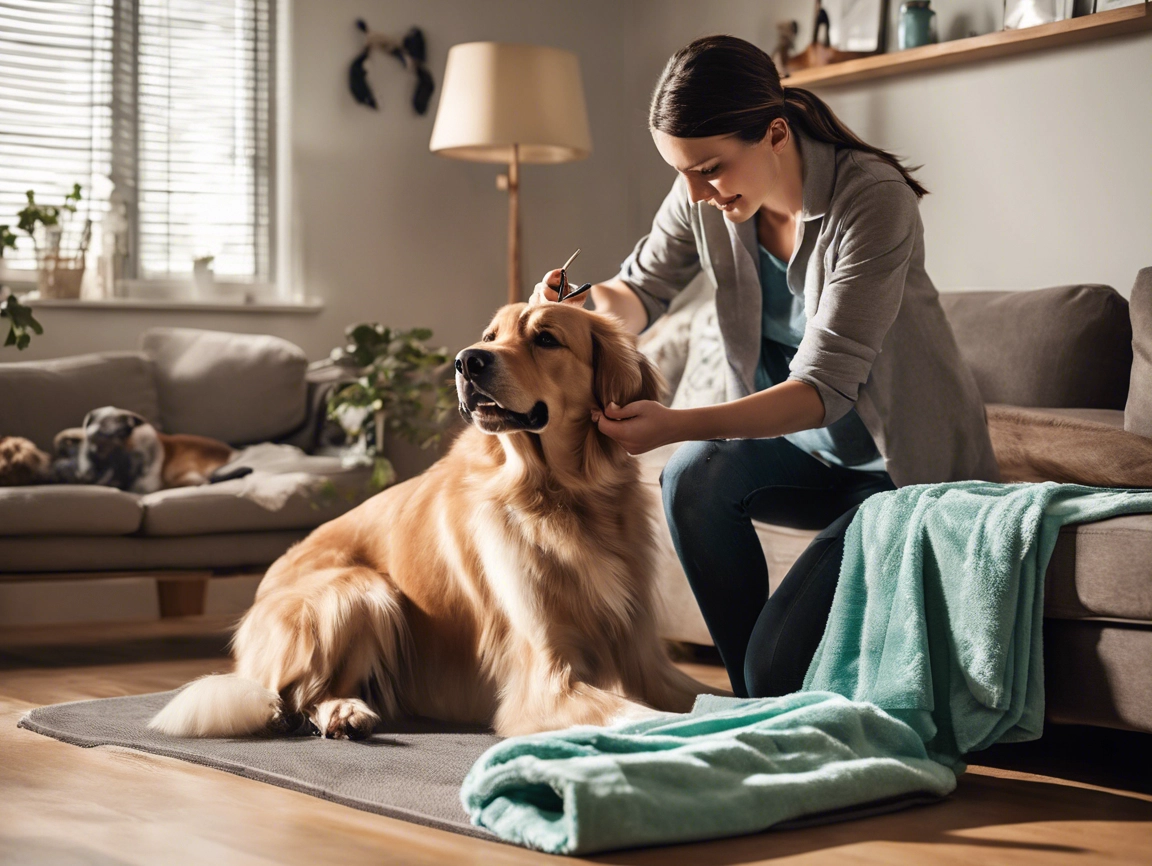
Grooming is an essential part of pet care that goes far beyond keeping your pet looking good. Regular grooming at home helps maintain your pet’s overall health, prevents skin problems, and strengthens the bond between you and your furry companion. With the right tools, techniques, and a little patience, pet grooming at home can be both easy and rewarding.
Why Home Grooming Matters
Home grooming allows pet owners to closely monitor their pet’s physical condition. While brushing or bathing, you may notice changes such as lumps, skin irritation, fleas, or infections early. It also reduces the need for frequent professional grooming visits, saving time and money.
Key benefits include:
-
Healthier skin and coat
-
Reduced shedding and matting
-
Better hygiene and odor control
-
Increased comfort and relaxation for your pet
Essential Pet Grooming Tools
Having the right tools makes grooming safer and more effective. Basic grooming supplies include:
-
Brushes and combs: Choose according to your pet’s coat type (short, long, curly, or double coat).
-
Pet-safe shampoo: Always use shampoo formulated specifically for pets.
-
Nail clippers or grinders: Designed for pet nails to prevent injury.
-
Ear cleaner and cotton pads: For gentle ear care.
-
Towels and a blow dryer (low heat): To dry your pet after bathing.
Brushing: The Foundation of Grooming
Regular brushing removes loose hair, dirt, and tangles while distributing natural oils across the coat. Short-haired pets may only need brushing once a week, while long-haired or double-coated breeds may require daily brushing.
Tips for effective brushing:
-
Brush gently to avoid hurting the skin
-
Start from the head and work toward the tail
-
Be extra careful around sensitive areas like the belly and ears
Bathing Your Pet Safely
Bathing helps keep your pet clean and reduces odors, but over-bathing can dry out the skin. Most pets only need a bath every few weeks unless they get especially dirty.
Bathing best practices:
-
Use lukewarm water
-
Apply pet-safe shampoo and rinse thoroughly
-
Avoid getting water in the eyes and ears
-
Dry your pet completely to prevent chills or skin issues
Nail Trimming and Paw Care
Overgrown nails can cause discomfort and affect your pet’s posture and movement. Trim nails regularly, taking care not to cut into the quick (the sensitive part of the nail).
Paw care tips:
-
Trim small amounts at a time
-
Check paws for cuts, cracks, or debris
-
Reward your pet to create a positive experience
Ear and Dental Care
Healthy ears and teeth are often overlooked but are vital to your pet’s well-being.
-
Ear cleaning: Gently wipe visible dirt using a pet-approved ear cleaner.
-
Dental care: Brush your pet’s teeth with pet toothpaste or provide dental chews to reduce plaque buildup.
Creating a Stress-Free Grooming Routine
Pets respond best to calm, positive grooming experiences. Start grooming early in your pet’s life, keep sessions short, and reward good behavior with treats and praise.
Helpful tips:
-
Groom in a quiet, familiar space
-
Speak softly and remain patient
-
Stop if your pet becomes overly stressed
When to Seek Professional Help
While home grooming is effective for regular maintenance, some situations require professional care. Severely matted fur, skin infections, or aggressive behavior during grooming are best handled by professionals or veterinarians.
Conclusion
Pet grooming at home is a valuable part of responsible pet ownership. With consistency, proper tools, and gentle handling, you can keep your pet clean, healthy, and comfortable while building a stronger bond. A well-groomed pet isn’t just happier—it’s healthier too.