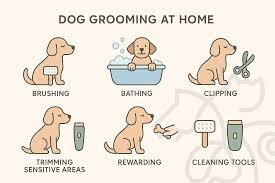
Grooming your dog or cat at home is an important part of responsible pet care. Regular grooming keeps your pet clean, healthy, and comfortable while helping you spot potential health issues early. With the right tools, a calm approach, and a consistent routine, home grooming can be a positive experience for both you and your pet
Step 1: Prepare the Grooming Area
Choose a quiet, well-lit, and comfortable space where your pet feels safe. Gather all grooming tools beforehand, such as brushes, shampoo, nail clippers, towels, and treats.
Tips:
-
Use a non-slip mat to prevent slipping
-
Keep grooming sessions short, especially for beginners
-
Reward your pet with treats and praise
Step 2: Brush the Coat Thoroughly
Brushing removes loose hair, dirt, and tangles and helps prevent matting. Always brush before bathing, as water can tighten mats and make them harder to remove.
Brushing guidelines:
-
Short-haired pets: Brush once or twice a week
-
Long-haired pets: Brush daily or every other day
-
Be gentle around sensitive areas like the belly and ears
Step 3: Trim the Nails
Overgrown nails can cause pain and affect your pet’s movement. Trim nails carefully using pet nail clippers or a grinder.
How to trim safely:
-
Cut small amounts at a time
-
Avoid the quick (pink area inside the nail)
-
If unsure, trim just the tip or use a grinder
Step 4: Clean the Ears
Clean ears help prevent infections and discomfort.
Steps for ear cleaning:
-
Use a vet-approved ear cleaner
-
Apply solution to a cotton pad or gauze
-
Gently wipe the visible part of the ear
Never insert cotton swabs deep into the ear canal.
Step 5: Bathe Your Pet
Bathing keeps your pet clean and reduces odor, but it should not be done too frequently.
Bathing tips:
-
Use lukewarm water
-
Apply pet-safe shampoo and massage gently
-
Rinse thoroughly to avoid residue
-
Avoid eyes and ears
Most pets need a bath every 3–6 weeks, depending on their lifestyle.
Step 6: Dry Your Pet Properly
After bathing, dry your pet thoroughly to prevent chills and skin issues.
Drying options:
-
Towel dry using absorbent towels
-
Use a pet dryer or blow dryer on low heat
Keep noise levels low to avoid stressing your pet.
Step 7: Brush Again and Trim Fur (If Needed)
Once dry, brush your pet again to remove remaining loose hair. For long-haired dogs, trim excess fur around the paws, face, and tail using rounded-tip scissors.
Note: Cats usually do not need fur trimming unless mats are severe.
Step 8: Dental Care
Oral hygiene is often overlooked but essential for your pet’s overall health.
Dental care tips:
-
Brush teeth using pet-safe toothpaste
-
Start slowly and build a routine
-
Provide dental chews as supplements
Step 9: Final Check and Reward
Finish grooming by checking your pet for lumps, cuts, redness, or parasites. End the session with treats, playtime, or affection to create a positive association with grooming.
When to Seek Professional Help
If your pet has severe matting, skin infections, aggressive behavior, or grooming-related anxiety, consult a professional groomer or veterinarian.
Conclusion
Grooming your dog or cat at home is a rewarding way to care for your pet’s health and happiness. By following this step-by-step guide and maintaining a regular routine, you can keep your pet clean, comfortable, and stress-free—while strengthening the bond you share.